Indian Namkeen: Culture, Cravings, and Concerns
Introduction
India is a country of vibrant flavors, rich culinary traditions, and a deep-rooted love for snacks. Among the most beloved categories of Indian food are namkeen – a diverse range of savory snacks that vary widely by region, ingredient, and preparation style. From crunchy bhujia and sev to puffed-rice mixtures like bhel and chivda, namkeen is more than just food—it’s a cultural staple, enjoyed with tea, during festivals, while traveling, and even as a daily treat.
With growing urbanisation and the busy pace of modern life, the traditional, homemade namkeen has made way for packaged namkeen—a multi-billion-rupee industry in India. While the convenience and variety offered by these mass-produced snacks are undeniable, concerns about health, safety, and quality of ingredients are increasingly being raised.
This article explores the world of Indian namkeen, the rise of the packaged snack market, and the potential health risks associated with their consumption.
The Tradition of Namkeen in India
Namkeen, derived from the Hindi word “namak” (salt), refers to any salty or savoury snack. Every state in India boasts its own version of namkeen:
- Rajasthan is famous for Bikaneri bhujia and moong dal.
- Gujarat offers gathiya, sev, and farsan.
- Maharashtra has its chivda and shev mixtures.
- South India enjoys murukku, thattais, and banana chips.
- North India has mathri, samosa, and kachori as popular savory items.
These snacks are often made at home with fresh ingredients, traditional spices, and simple frying or baking techniques. Homemade namkeen is not only fresher but also allows for customization in terms of spice levels, salt, and oil quality.
However, over the past two decades, packaged namkeen brands like Haldiram’s, Balaji, Bikaji, Bikanervala, Kurkure, and others have become household names. The shift from homemade to store-bought snacks has been driven by changing lifestyles, urban migration, increased disposable incomes, and the appeal of convenience.
The Rise of Packaged Namkeen
Packaged namkeen today comes in myriad forms—spicy, sweet, tangy, low-fat, baked, multigrain, or millet-based. These snacks are readily available at supermarkets, local kirana shops, online platforms, and vending machines.
The Indian snacks market was valued at over ₹40,000 crore (approx. USD 5 billion) in recent years and is growing rapidly. For example, one source indicates the broader ultra-processed foods market (including salty snacks) in India has grown strongly in recent years. India Today+2The Economic Times+2
The appeal of long shelf life, attractive packaging, brand trust, and mass distribution has contributed to this boom. For instance, the article “Spice and crush: Why India’s namkeen market is hot” highlights how demand for snacks is increasing. The Economic Times
While these products offer variety and convenience, they also come with significant concerns related to health and nutrition.
Problems Associated with Packaged Namkeen and Their Ingredients
- High Levels of Salt and Sugar
One of the main health concerns with packaged namkeen is the excessive amount of salt (and sometimes sugar) used to enhance flavour and prolong shelf life. For example, a testing of brands found many with “unacceptably high levels of fat and sodium” in namkeens (sev/bhujia, moong dal, mixtures). cercindia.org+1
A study by the Centre for Science and Environment (CSE) found that many packaged foods – including namkeen – contained dangerously high levels of salt and fat. The Times of India+1
High sodium intake is linked to: hypertension, increased risk of heart disease, kidney problems, water retention and bloating.
Many snacks may also contain hidden sugars, especially in masala-coated or “sweet & spicy” mixes, which contribute to weight gain, diabetes and insulin resistance over time. - Use of Unhealthy Fats and Oils
Packaged namkeen is typically deep-fried in refined oils, often palm oil or hydrogenated vegetable oils, which may contain trans fats—a major risk factor for cardiovascular disease, obesity and chronic inflammation. One article notes that 39% of Indian consumers believe snacks made with palm oil are unhealthy. Mintel+1
Repeated frying in the same oil, a common cost-cutting practice in factories, further degrades oil quality producing harmful compounds (e.g., acrylamide, acrolein) – though specific Indian data for namkeen is limited. - Preservatives and Additives
To increase shelf-life, many brands use preservatives, artificial colours and flavour-enhancers. For instance, many brands make irresponsible claims on their packets. cercindia.org+1
Additives of concern may include:- MSG (monosodium glutamate), used to enhance flavour; in some people, may trigger headaches or other effects.
- Synthetic food-colours: Bright yellow/red/orange colours are often added for visual appeal but may cause allergic reactions in children.
- Antioxidants such as BHA/BHT: used to preserve fat and flavour but some studies link large quantities with potential effects (though less specific Indian data on namkeen).
The regulatory oversight in this domain is somewhat weak: many brands do not declare sodium/salt levels, and the standard for sodium/salt in the BIS (Bureau of Indian Standards) specification for namkeen is voluntary. cercindia.org+1
- Low Nutritional Value
Despite their addictive taste, most packaged namkeen items are low in essential nutrients. They are typically:- High in “empty calories” (lots of energy but little nutrition)
- Low in fibre, protein and vitamins
- High in refined carbs and saturated/trans-fats
That makes them energy-dense but nutrient-poor, contributing to malnutrition in the form of obesity or micronutrient deficiencies (especially when they displace healthier foods).
- Misleading Labels and Marketing
Many snack brands use labels such as: “Baked, not fried”, “Multigrain”, “Healthy snacking”, “No added MSG”. However, a closer look at the ingredients list and nutritional chart often reveals otherwise. For example, the industry is pushing back against proposed front-of-pack labelling by the Food Safety and Standards Authority of India (FSSAI) because many traditional and packaged snacks will be classified as high in fat/salt/sugar. The Economic Times+1
Many products may contain only a small percentage of multigrain flours or still be high in sodium and fat despite health claims, and ingredient names may be ambiguous (e.g., “flavouring substances”), making it hard for consumers to identify what they’re really eating. - Environmental Concerns
Beyond health, packaged namkeen contributes significantly to plastic waste. Most snack packets are made of non-recyclable multilayer plastics, adding to India’s growing garbage and micro-plastic problem (while not always discussed in food-health literature, packaging waste is a recognised issue of packaged snack markets). Also, wide-distribution, frequent small packs (for convenience) mean a lot of single-use plastic.
Impact on Health and Society
Over time, regular consumption of unhealthy packaged namkeen can lead to:
- Childhood obesity
- Type 2 diabetes
- Heart conditions
- Digestive issues
- Dental problems
Moreover, excessive reliance on packaged snacks erodes traditional food practices and contributes to a homogenisation of diets, replacing diverse, region-specific snacks with mass-market offerings.
Children and youth, who are heavily targeted by snack marketing, are the most vulnerable. Aggressive advertising on TV and social media creates early habits of junk food consumption, which can persist into adulthood. For example: the ultra-processed food consumption (including salty snacks) has been linked in India to rising lifestyle diseases. India Today
The Way Forward: Healthier Alternatives and Conscious Choices
- Return to Homemade Namkeen
Reintroducing homemade snacks made with whole ingredients, cold-pressed oils and natural spices can bring back taste without compromising health. Examples include:- Roasted makhana (fox nuts)
- Homemade chivda with dry fruits
- Baked mathris or moong dal pakoras
- Roasted gram (chana)
Homemade allows better control of salt, oil type and spice mix.
- Where to get Home Cooked Namkeen: While there are people cooking Namkeen at home you can try this website to order fresh home cooked Namkeen: www.gharkanamkeen.com
- Read Labels Carefully
Consumers should look for:- Lower sodium content (under maybe ~120 mg per serving, though Indian guidelines vary)
- Lower saturated fat and trans-fat content
- Whole grains as first ingredient
- No artificial additive/preservative where possible
Given that many brands still do not fully declare sodium/salt or fat contents, caution is needed. cercindia.org+1
- Support Clean Snack Brands & Innovation
Several Indian startups are now focusing on healthy “better-snack” versions of namkeen—offering snacks that are:- Baked instead of fried
- Made from millets, lentils or quinoa
- Free from MSG and synthetic colours
- Packaged in eco-friendly materials
The market articles note rising demand for premium/health oriented snacks in the namkeen category. The Economic Times+1
Conclusion
Indian namkeen is a cherished culinary tradition with deep roots in the country’s cultural fabric. However, the rise of packaged snacks, while convenient, comes with a host of health risks due to the use of harmful ingredients, misleading labels, and environmental impact.
As consumers, we must become more informed and responsible in our choices—opting for healthier, homemade alternatives or supporting brands that prioritise transparency and nutrition. After all, snacking should be a joy, not a health hazard.
References / Further Reading
- “Namkeen – Consumer Education and Research Centre (CERC)” (tests of fat & sodium in namkeen) cercindia.org+1
- “Most packaged foods have high sugar, salt in violation to food laws – CSE study” mint+1
- “Spice and crunch: Why India’s namkeen market is hot” (Economic Times) The Economic Times
- “Salty Snacks Market Shifts: The Rise of Palm Oil-Free Products?” (Mintel) Mintel+1
- “Regulatory hurdles & stringent guidelines present challenges for namkeen” (FNB News) FNB News
- “FSSAI’s draft norm on front‐of‐the‐pack nutritional labelling will hit small sweet-namkeen makers” The Times of India
References
FSSAI & Industry Debate – “Front-of-Pack Labeling for Namkeen”
CERC India – “Namkeen: Consumer Tests on Fat and Sodium”
Times of India – “Packaged foods contain dangerously high levels of salt and fat: CSE”
Mintel – “39% of Indians say snacks made with palm oil are unhealthy”
Economic Times – “Why India’s Namkeen Market Is Hot”
India Today – “India’s Junk Food Epidemic”

1. A Snapshot of the Indian Snack Industry
India’s snack industry is massive — valued at over INR 50,000 crore and growing rapidly every year. It includes:
- Packaged branded snacks (e.g., Haldiram’s, Balaji, Bikaji, Lays)
- Local or regional namkeen
- Unbranded or loose snacks sold in kirana stores or street shops
- Homemade or traditional snacks
While branded products are subject to more regulation, many unbranded or local snacks are made with little quality control, often using low-cost and low-grade ingredients.
2. Common Ingredients Used in Indian Snacks/Namkeen
Here are the staple ingredients used in preparing snacks:
a. Flours and Pulses
- Gram flour (besan) – Used for sev, pakoras, and boondi.
- Refined wheat flour (maida) – Common in biscuits, mathri, and some fried items.
- Rice flour, semolina, and lentil flours – Used in mixtures and chaklis.
Concerns:
- Often bleached or chemically processed.
- Adulteration with chalk powder or starch in low-grade products.
b. Oils and Fats
- Palm oil
- Vanaspati (hydrogenated fat)
- Sunflower or soybean oil (in premium brands)
Concerns:
- Reuse of oil for deep-frying creates harmful trans fats and free radicals.
- Cheap oils like palm oil increase saturated fat intake.
- Vanaspati is still widely used and can raise cholesterol levels.
c. Salt and Spices
- Salt is used generously for flavor.
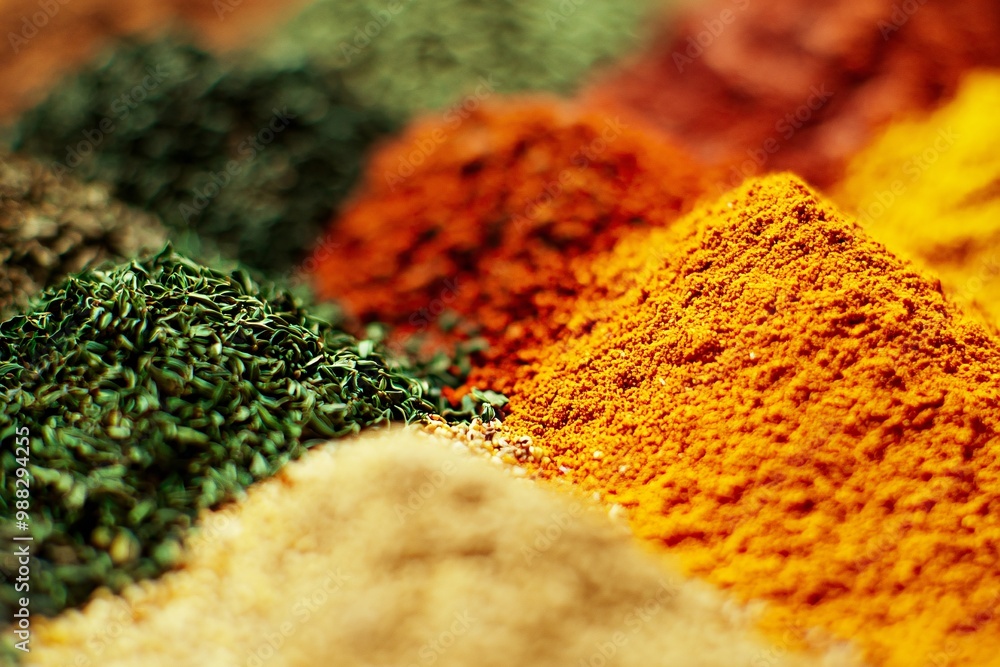
- Common spices include red chili powder, turmeric, cumin, ajwain, black salt, etc.
Concerns:
- Excess salt contributes to hypertension.
- Artificial flavor enhancers like MSG (monosodium glutamate) may be added.
- Poor-quality or adulterated spices are used in unregulated products.
d. Preservatives and Additives
- Sodium benzoate, citric acid, and EDTA are commonly used in packaged snacks.
- Artificial colors (like Tartrazine – yellow, or Sunset Yellow) are often added to give snacks a bright look.
Concerns:
- Long-term consumption of artificial additives has been linked to allergies, hyperactivity in children, and even organ toxicity.
- Excessive preservatives affect gut health and digestion.
e. Nuts, Dals, and Dry Ingredients
- Roasted peanuts, moong dal, chana dal, etc., are popular in mixtures.
- Cashews or almonds are used in premium mixes.
Concerns:
- These can be reused or stale in cheap products.
- Risk of aflatoxin contamination if not stored properly.
- Insect infestation or mold in poor storage conditions.
3. Quality Variations Between Branded and Local Products
Branded Snacks
- Generally follow FSSAI regulations.
- Ingredient lists are printed on packaging.
- Use food-grade packaging and maintain better hygiene.
- Still, many use palm oil, artificial colors, and flavor enhancers for mass appeal.
Unbranded/Loose Snacks
- Often made in small-scale or home units with minimal regulation.
- No labeling or transparency about ingredients.
- Use cheaper, low-grade oils and flours to cut costs.
- May be stored in non-food-grade plastics or loose containers.
Key Issues:
- Unhygienic preparation conditions
- High risk of contamination (dust, pests)
- No expiration date or batch information
4. The Role of Adulteration
Adulteration is a major issue in Indian food products. Some common adulterants found in snacks include:
- Artificial colors like Rhodamine B (a textile dye) in chili powder.
- Iron fillings in besan.
- Soapstone or chalk powder mixed in salt or flour.
- Used oils that have turned rancid or oxidized.
- Synthetic vinegar or acids for tanginess.
These substances are hazardous to health and can cause anything from mild indigestion to long-term damage to the liver and kidneys.
5. Regulatory Oversight – Is It Enough?
The Food Safety and Standards Authority of India (FSSAI) sets the guidelines for processed food, including:
- Permissible levels of trans fats, salt, sugar
- Use of colors and preservatives
- Packaging and labeling norms
However, challenges remain:
- Poor enforcement at local levels.
- Small-scale manufacturers often bypass regulations.
- Consumers rarely file complaints or demand accountability.
6. What Should You Watch Out For?
As a consumer, you should be cautious about the following:
- Vague labeling: If a snack just says “edible oil” without specifying which one, it’s likely palm oil or vanaspati.
- Bright or unnatural colors: Indicates possible use of artificial dyes.
- Overpowering flavor: Could be masking poor quality or excessive preservatives.
- Very low prices: Quality ingredients cost more — if it’s too cheap, corners were likely cut.
7. How to Choose Safer, Better Snacks
a. Read Labels Carefully
- Look for snacks that use cold-pressed oils or at least avoid vanaspati.
- Prefer snacks with natural colors or no added colors.
- Avoid excessive salt, sugar, and MSG.
b. Choose Trusted Brands
While not all branded snacks are healthy, top brands are more likely to comply with food safety norms. Check for:
- FSSAI license
- Expiry date and batch code
- Detailed ingredient list
c. Support Local Artisans — Carefully
Many home-based or artisanal snack makers use high-quality ingredients. Look for those who:
- Are transparent about their ingredients
- Offer fresh, small-batch products
- Don’t use synthetic additives
d. Make Snacks at Home
- Making sev, mathri, or chivda at home lets you control the quality of ingredients.
- You can bake instead of fry, use whole grains, and reduce salt and spice levels.
- Homemade snacks are free from preservatives and can be tailored to your taste.
8. The Way Forward
As India’s food culture continues to evolve, the focus must shift toward cleaner, safer, and more transparent ingredients. The demand for healthy snacking options is already rising, and more startups are entering the market with baked namkeens, millet-based mixtures, and oil-free options.
But real change will come only when consumers demand better quality and are willing to pay a little more for it. Remember: what we snack on regularly becomes part of our long-term health story.
Conclusion
Indian snacks and namkeen are an integral part of our culinary landscape, but the quality of ingredients used in their preparation is often questionable — especially in unregulated or low-cost options. From low-grade oils and flours to artificial colors and adulterants, many of these snacks pose hidden health risks.
By being aware, reading labels, supporting honest producers, and occasionally going the homemade route, we can enjoy our favorite snacks without compromising on health or safety.
So next time you’re tempted by that bright yellow packet of mixture or that roadside bhujia, ask yourself: What went into making this — and is it worth the risk?