
The Hidden Danger: Harmful Effects of Palm Oil Used in Indian Snacks
Walk into any Indian grocery store or street food stall, and you’re bound to find a colorful array of snacks — from crispy samosas and crunchy namkeens to packaged chips and biscuits. While these treats are integral to Indian food culture, there’s an ingredient lurking in most of them that raises serious health and environmental concerns: palm oil.
Palm oil is cheap, versatile, and widely used in processed and fried foods. In India, its popularity has soared due to affordability and availability. However, behind the crispy crunch of a favorite bhujia or the smooth texture of a biscuit lies a host of harmful effects — not just for our health, but also for the environment and society.
In this blog, we explore the harmful effects of palm oil used in Indian snacks, why it’s a growing concern, and what you can do to protect yourself and the planet.
What Is Palm Oil?
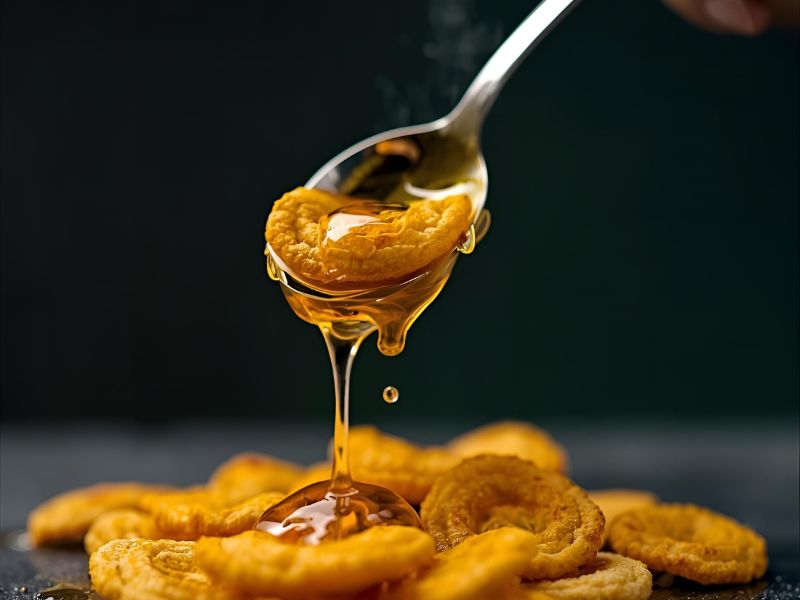
Palm oil is a type of vegetable oil derived from the fruit of the oil palm tree. It’s semi-solid at room temperature, has a long shelf life, and is flavor-neutral — making it a go-to ingredient in processed foods.
India is the largest importer of palm oil in the world, sourcing it mostly from countries like Indonesia and Malaysia. Its affordability makes it a preferred oil for:
- Packaged snacks
- Instant noodles
- Street food frying
- Bakery items
- Frozen foods
While it may seem harmless or even beneficial economically, its impact on health and the environment is alarming.
1. Health Hazards of Palm Oil in Snacks
a. High Saturated Fat Content
Palm oil is high in saturated fats, which are known to raise LDL (bad) cholesterol levels. Elevated LDL increases the risk of:
- Heart disease
- Stroke
- High blood pressure
Indian snacks — already high in salt and refined carbs — become even more dangerous when fried in palm oil, especially if reused multiple times, as is common in street food stalls.
b. Formation of Harmful Compounds When Heated
When palm oil is heated repeatedly, especially at high temperatures (as in deep frying), it undergoes oxidation. This leads to the formation of harmful compounds such as:
- Trans fats
- Aldehydes
- Free radicals
These substances are linked to inflammation, aging, and even cancer. The risk is multiplied when the same oil is reused — a frequent practice in restaurants and street food vendors to cut costs.
c. Increased Risk of Obesity and Diabetes
Palm oil-based snacks are calorie-dense, low in nutrition, and often addictive. Regular consumption of such snacks contributes to:
- Weight gain
- Insulin resistance
- Type 2 diabetes
India is already facing a diabetes epidemic, and the rise of palm oil-laden convenience snacks is not helping.
d. Poor Digestive Health
Processed snacks made with palm oil often contain low dietary fiber and high refined sugars, both of which can disrupt digestion. Combined with palm oil’s inflammatory effects, this can lead to:
- Acid reflux
- Constipation
- Gut microbiome imbalance
2. Environmental Impact of Palm Oil
While the focus of this blog is on health, it’s impossible to ignore how palm oil production is wreaking havoc on the planet — and indirectly impacting human well-being.
a. Deforestation
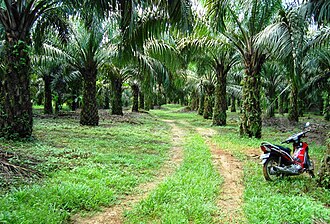
Palm oil plantations are a leading cause of deforestation in Southeast Asia, particularly in Indonesia and Malaysia. Forests are cleared to make room for oil palm trees, destroying:
- Carbon sinks (which absorb CO₂)
- Wildlife habitats (e.g., orangutans, tigers)
- Indigenous communities
India’s heavy import of palm oil contributes to this destruction.
b. Climate Change
Deforestation and land burning for palm oil release massive amounts of greenhouse gases, accelerating climate change. The carbon footprint of the palm oil used in that packet of chips or samosa is surprisingly high.
c. Biodiversity Loss
The monoculture nature of palm plantations leads to the collapse of ecosystems. Loss of biodiversity has long-term consequences for global food security, pollination, and disease control.
3. Socio-Economic Concerns
a. Labor Exploitation
Palm oil plantations in some exporting countries have been linked to:
- Child labor
- Forced labor
- Unsafe working conditions
Consumers in India are often unaware that their favorite branded snacks may be indirectly fueling these human rights abuses.
b. Farmer Dependence
In India, efforts to boost domestic palm oil production through subsidies may lead to small farmers becoming over-dependent on a single crop. This could increase vulnerability to price fluctuations and crop failures.
4. Regulatory Loopholes in India
India currently lacks strict regulations regarding the labeling and use of palm oil in packaged foods. Manufacturers often use vague terms like:
- “Vegetable oil”
- “Edible oil”
- “Hydrogenated fats”
This makes it difficult for consumers to identify whether a product contains palm oil. Moreover, trans fat limits, although improved in recent years, are not uniformly enforced in small-scale food production.
5. What You Can Do as a Consumer
While palm oil is deeply embedded in the Indian food system, there are steps consumers can take to protect their health and advocate for change.
a. Read Labels Carefully
Look out for:
- Palm oil
- Palm kernel oil
- Hydrogenated vegetable oil
Avoid products that don’t disclose their oil sources transparently.
b. Choose Healthier Snacks
Opt for snacks made with:
- Mustard oil
- Groundnut oil
- Cold-pressed oils
Better yet, choose homemade snacks or baked alternatives made with whole ingredients.
c. Support Sustainable Brands
Some brands use RSPO-certified sustainable palm oil, which attempts to reduce environmental and social harm. While not perfect, it’s a step in the right direction.
d. Raise Awareness
Talk about palm oil with friends and family. Share articles. Ask questions at your local store. The more consumers demand transparency and healthier options, the more likely the market is to change. Read more on Palm Oil : https://en.wikipedia.org/wiki Social_and_environmental_impact_of_palm_oil
Conclusion
Palm oil may be an affordable ingredient in the Indian snack industry, but its hidden costs are immense — from increasing our risk of lifestyle diseases to damaging global ecosystems and human rights. The widespread use of palm oil in snacks is not just a health issue; it’s an ethical and environmental one.
As consumers, we have the power to make informed choices. By reducing our dependence on palm oil-laden snacks, supporting sustainable alternatives, and advocating for better labeling laws, we can protect our health and contribute to a more responsible food system.
So the next time you reach for that packet of chips or a deep-fried samosa, pause and think: What oil is in this, and what is it costing me and the world?
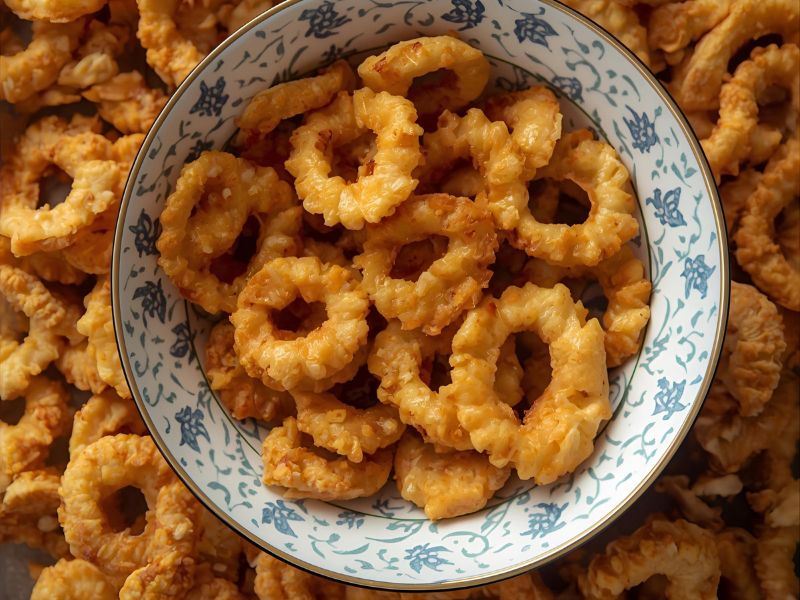
Mintel – “39% of Indians say snacks made with palm oil are unhealthy”